In a nutshell
- 🌱 Tannins boost micronutrients: Tea’s natural polyphenols gently chelate iron, manganese, zinc, enhance soil structure and moisture balance, and act as a slow-release conditioner rather than a quick fertiliser.
- 🧰 Smart application: Use thin mulch (~5 mm), mix a small handful into the top 2–3 cm of soil, try trench composting with cardboard, and feed vermicompost—but avoid leaves with milk/oils and open plastic-lined tea bags.
- 🔄 Composting ratios and pH: Aim for a C:N ratio of 25–30:1 (1 part tea to 2–3 parts carbon), keep moisture like a wrung sponge, turn weekly; expect brief nitrogen immobilisation and a mild acidifying effect—buffer acidic soils with a touch of lime.
- 🍓 Best-fit crops: Acid lovers (blueberries, azaleas) and strawberries respond well; potatoes benefit in light soils; tomatoes/peppers need supplemental, not replacement, feed; use compost-only routes for brassicas; go light with houseplants.
- ⏳ Timing and results: Breakdown typically takes 4–8 weeks, steadily improving the soil food web and yields; keep layers thin to avoid sour mats and watch for signals—richer leaf colour, better fruit set, improved moisture retention.
Yesterday’s cuppa can be tomorrow’s bumper crop. Those damp, fragrant used tea leaves are rich in natural tannins, subtle acids and polyphenols that, handled well, coax soil into better health and plants into steadier growth. Gardeners like a quick fix; tea leaves are not that. They are slow, deliberate, generous over time. As they break down, they feed microbes, influence nutrient availability, and help create a crumbly tilth that holds moisture yet drains cleanly. Think of tea as a quiet soil conditioner rather than a headline-grabbing fertiliser. Small applications, repeated across the season, can lift yields without the cost or sharp spikes associated with synthetic feeds.
How Tannins Work in Soil
What makes tea special is its load of tannins—plant-derived polyphenols that bind with proteins and metals. In soil, that binding, akin to gentle chelation, helps keep micronutrients such as iron, manganese and zinc in plant-available forms instead of letting them wash away. The effect is subtle yet consequential. Clay-heavy beds see improved aggregation; sandy beds gain a touch more moisture-holding capacity. There’s also a modest acidifying nudge, helpful for crops that cringe at alkalinity.
There is a catch. As microbes tackle tannin-rich leaves, they may briefly immobilise nitrogen, borrowing it to fuel decomposition. This is temporary, and the same process later releases nitrogen, phosphorus and potassium in a steady, usable trickle. Expect a slow burn: four to eight weeks in warm, moist conditions; longer in cold soil. The microbial bloom also improves the soil food web, encouraging fungi that knit soil particles and create resilience against drought swings. In short, used tea leaves act as a slow-release conditioner, not a quick autumn tonic.
Smart Ways to Use Spent Tea Leaves
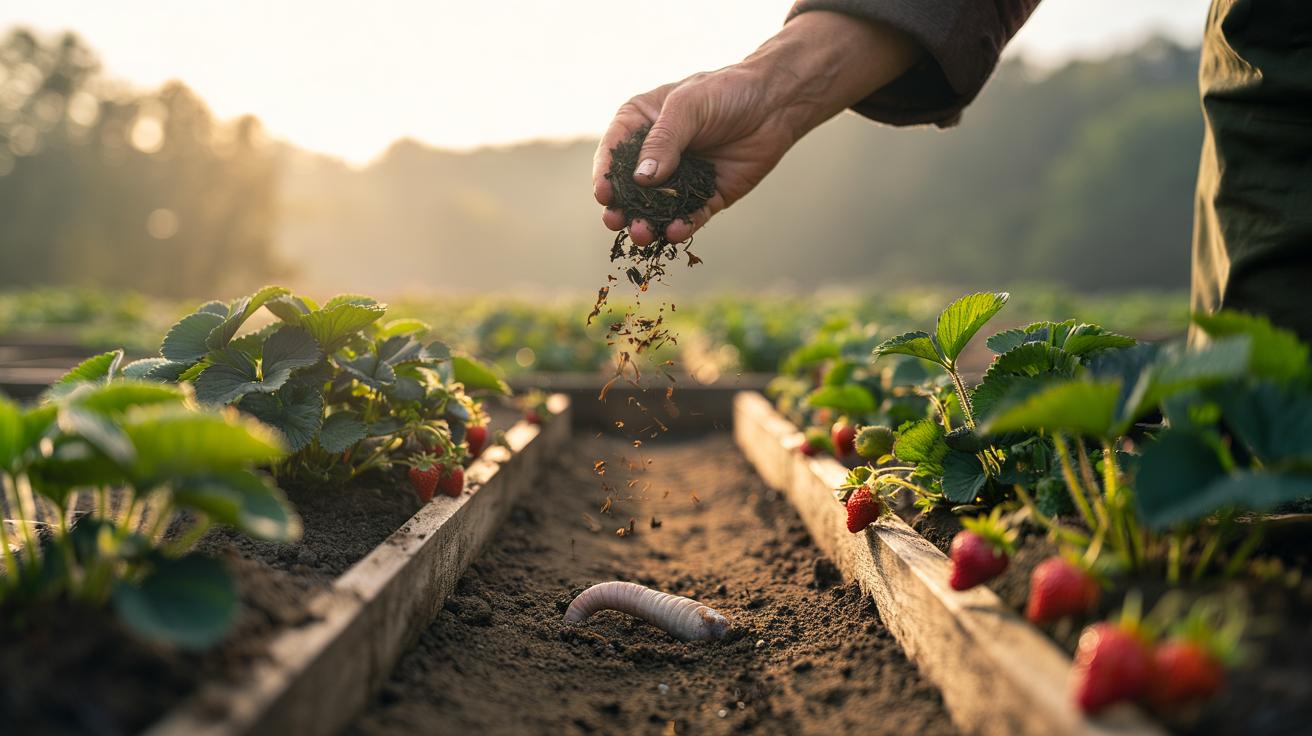
Mulch lightly. Scatter rinsed, cooled leaves in a wafer-thin layer—no more than 5 mm—then top with a breathable mulch like leaf mould. This prevents mats that repel water. For container herbs or tomatoes, mix a small handful into the top 2–3 cm of compost every fortnight. Small doses, often, beat a single dump that turns slimy. In raised beds, trench composting works well: a narrow slit between rows, a line of tea leaves mixed with shredded cardboard, soil back on top. Earthworms will find it.
Vermicompost loves tea. Worms relish the fine texture, provided it’s balanced with browns such as corrugated card to avoid sourness. Avoid tea leaves contaminated with milk, oils or sweeteners; they invite pests and odours. Flavoured blends? Use sparingly—aromas can be cloying in small spaces. And about tea bags: many are part plastic. Tear them open and compost only the leaves unless the bag is certified plastic-free. Keep it simple: clean leaves, thin layers, steady rhythm.
Composting Ratios, Safety, and Quality Control
In a hot compost, aim for a balanced C:N ratio of roughly 25–30:1. Spent tea sits near the “greens” side—comparable to coffee grounds—so pair one part tea with two to three parts dry carbon: shredded paper, straw, or autumn leaves. Moisture should feel like a wrung-out sponge. Turn weekly to oxygenate; tannin-rich materials process faster with ample air. Get the basics right and tea disappears into humus in a month of warm weather.
Caffeine content worries many. In compost, it degrades quickly, and at garden application rates it’s negligible. Tannins can briefly suppress some microbes, yet the overall effect, once diluted by the heap, is positive for the soil microbiome. Choose clean inputs: stick to pure black, green, or oolong leaves. Herbal “teas” vary wildly; chamomile is benign, but heavily spiced blends are best kept to small trials. Finally, watch pH. Tea is mildly acidifying. On chalky soils this helps; on already acidic beds, buffer with a little garden lime or extra leaf mould. Balance is your friend; extremes are not.
Which Crops Benefit and How Much to Apply
Tea’s slight acidity and micronutrient support favour crops that love a lower pH and steady trace elements. Blueberries, strawberries and rhododendrons perk up. Potatoes appreciate the organic matter. Brassicas prefer neutral soils, but modest tea additions are fine if lime is used elsewhere in the rotation. For indoor plants, go lighter still—containers amplify mistakes. Below is a simple guide you can adapt to your beds and climate.
| Crop/Plant | Soil pH Preference | How to Use Tea Leaves | Notes |
|---|---|---|---|
| Blueberries, azaleas, camellias | Acidic (4.5–5.5) | Thin mulch monthly; mix small amounts into compost | Tea supports iron availability; avoid over-mulching |
| Strawberries | Slightly acidic (5.5–6.5) | Handful per plant every 3–4 weeks | Top with straw to prevent matting |
| Potatoes | Acidic to neutral (5.0–6.5) | Trench compost leaves under seed tubers | Helps moisture retention in light soils |
| Tomatoes, peppers | Neutral to slightly acidic (6.0–6.8) | Mix lightly into top layer; fortnightly | Don’t replace base fertiliser; this is supplemental |
| Brassicas (cabbage, kale) | Neutral (6.5–7.2) | Use via compost only | Lime elsewhere to keep pH stable |
| Houseplants | Varies | Pinch in surface mix monthly | Watch for fungus gnats; keep layers thin |
As a rule, keep individual applications small and repeat them over time. You’re not feeding a weekend binge; you’re building a pantry in the soil. If leaves ever clump or smell sour, dry them slightly before use, or divert a batch to the compost bin. A light hand prevents anaerobic pockets and welcomes worms.
Handled with a bit of care, used tea leaves deliver the quiet gains that matter: improved structure, steadier micronutrients, and yields that inch higher with each season. The habit is easy to build into daily life—brew, cool, scatter, repeat—and it turns kitchen waste into a useful resource. Start small, observe your plants, and adjust the rhythm to your soil. Which bed will you trial first, and what clues—healthier leaf colour, firmer fruit, better moisture—will you watch for as the tannins get to work?
Did you like it?4.3/5 (26)