In a nutshell
- 🌿 Use the landscaper’s matrix planting method—dense grasses with flowering perennials—to create a layered habitat that feeds and shelters wildlife year-round.
- 🐝 Prioritise UK-native species across layers (shrubs, perennials, bulbs) to support specialist insects and birds, aiming for February–November bloom continuity.
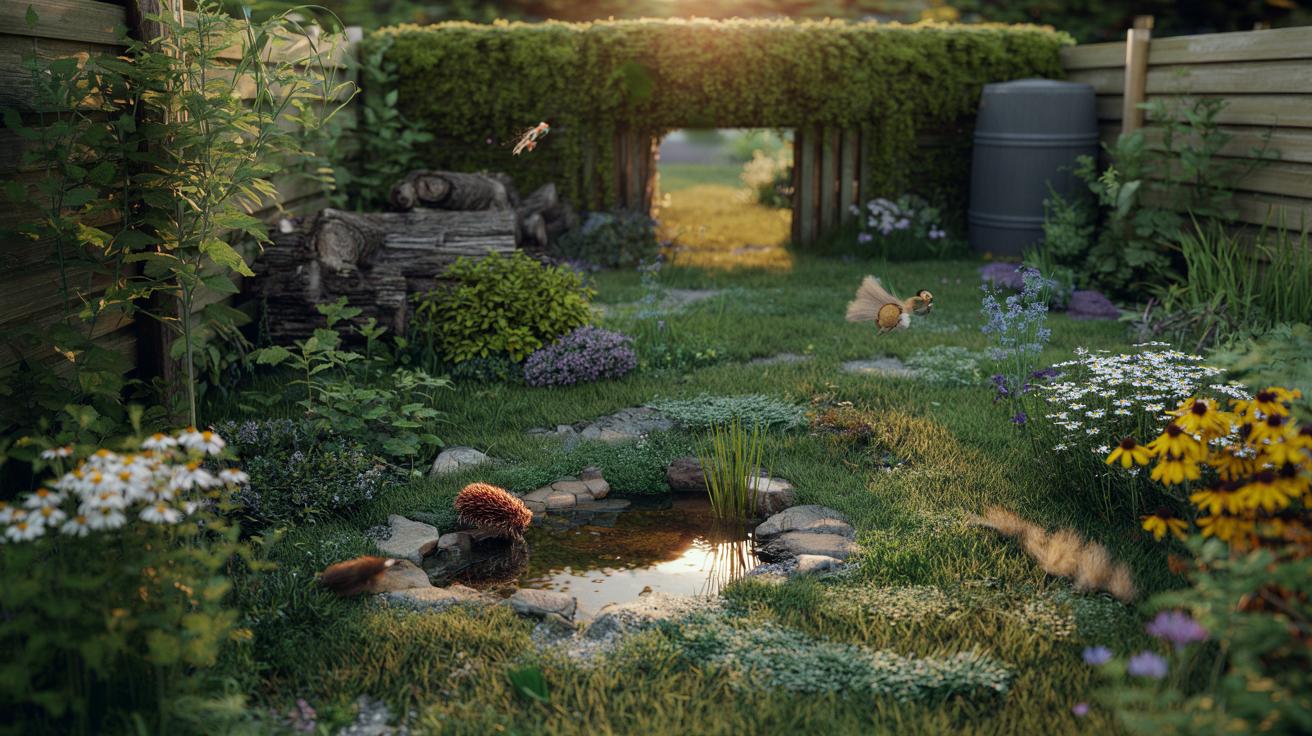
- 🧰 Follow simple setup steps: remove lawn, plan paths, plant a 60–70% grass matrix with 30–40% forbs, add a small pond, log pile, and a hedgehog highway.
- 🌼 Design with repetition and structure—group plants in bold drifts, use peat-free compost, and avoid invasives; consider climbers like honeysuckle for vertical nectar.
- 🛠️ Maintain gently: winter cutback with some stems left, no pesticides, high summer strim to check weeds, and rely on rainwater to keep the ecosystem resilient.
Quiet lawns are lovely, but they’re ecological deserts. The gardening trick designers whisper about is surprisingly simple: copy nature’s patterns. By weaving plants into layered communities, you create food, shelter, and movement corridors that draw bees, butterflies, birds—and even hedgehogs—right to your back door. Think of it as a mini meadow stitched into a suburban plot. Replace monotony with structure and seasonal change and wildlife will find you. This approach is low-fuss once established, drought-savvy in a warming climate, and beautiful from frosty February seedheads to August nectar feasts. Here’s how to use the landscaper’s favourite method to transform a UK backyard into a living tapestry.
The Designer’s Trick: Matrix Planting for Wildlife
Professionals call it matrix planting: a base “matrix” of low, tough grasses or groundcovers, threaded with flowering perennials and bulbs. Instead of isolated specimens on bare soil, plants knit together, covering ground like a living mulch. The effect is aesthetic and ecological. Dense planting blocks weeds, shades soil, and traps moisture, reducing labour and watering. More importantly, it offers continuous nectar, pollen, seeds, and refuge. Bumblebees browse yarrow in June, goldfinches dine on knapweed seed in September, ladybirds overwinter in hollow stems. Because there’s always something flowering or fruiting, more creatures linger longer. Sound complicated? It isn’t. You’re mimicking hedgerow edges and meadow glades—the richest British habitats—on a small scale.
Designers aim for structure first, then colour. Choose a resilient matrix such as sheep’s fescue (Festuca ovina) or tufted hair grass (Deschampsia cespitosa), then stitch in natives like oxeye daisy, field scabious, red campion, and wild marjoram. Add early bulbs—snowdrops and crocus—for spring fuel, and late stars—devil’s-bit scabious, greater knapweed—for autumn. Keep plants in repeating drifts for a calm look. Plant in layers and the wildlife will come. This single shift, from specimen thinking to communities, is the core “trick” landscapers use to turn lifeless turf into a biodiverse magnet.
How to Build a Pocket Meadow Step by Step
Start by assessing light and soil. Full sun supports classic meadow mixes; dappled shade suits ferns, wood anemones, and foxgloves. Remove tired lawn with a spade, or smother it using cardboard and compost (no plastic sheeting). Avoid fertiliser; fertility drives rank growth and suppresses wildflowers. Lay out paths first—mown or gravel—to frame the messier matrix. Then plant a 60–70% matrix grass base and 30–40% forbs (flowering species) using a mix of plugs and seed. Water in well, then switch to deep, infrequent watering to toughen roots. Resist the urge to over-tidy. Wildlife needs stems, leaf litter, and seedheads.
Through year one, hand-weed thugs and strim high once midsummer to check annual weeds. In late winter, cut most growth to 10–15 cm, leaving 20–30% of stems standing as habitat. Add a water source—even a washing-up bowl sunk to the rim with a brick step—for birds and insects. Stack a small log pile for beetles; create a “hedgehog highway” gap under fences. Ditch pesticides and slug pellets; encourage natural checks like frogs and ground beetles. Use peat-free compost only. If your boundary allows, swap a panel for mixed hedging—hawthorn, hazel, dog rose—for blossom, hips, and nesting cover. One connected, layered patch beats a dozen isolated pots. Within a season, you’ll notice more hoverflies, then butterflies, then birds.
Right Plants, Right Layers: A Quick Guide
Layering is the secret sauce. A canopy or tall shrub breaks wind and offers perches. The mid-layer—perennials and sub-shrubs—delivers nectar and seeds. The ground layer covers bare soil and hosts larvae. Choose mostly UK-native species to feed specialist insects, and sprinkle in a few well-behaved exotics (such as lavender) for continuity. Avoid invasive choices; while buddleia feeds butterflies, it can self-seed aggressively—clip after bloom if you keep it. Aim for bloom from February to November and you create a wildlife service station with no dead months. The examples below are easy to source and reliable in small gardens.
| Layer | Example Plants (UK) | Season | Wildlife Drawn |
|---|---|---|---|
| Canopy/Shrub | Hawthorn, Hazel, Dog Rose | Spring blossom; autumn fruit | Pollinators, nesting birds, small mammals |
| Perennial Forbs | Oxeye Daisy, Knapweed, Field Scabious, Wild Marjoram | May–October | Bees, butterflies, seed-eating finches |
| Matrix Grasses | Sheep’s Fescue, Tufted Hair Grass | Year-round structure | Spiders, overwintering insects, cover for birds |
| Bulbs/Early Nectar | Snowdrops, Crocus, Grape Hyacinth | Feb–April | Queen bumblebees, early hoverflies |
Group plants in bold patches—three, five, seven—to help insects forage efficiently and to keep the look intentional. Thread thyme or self-heal at path edges for scented, low landing strips. Repetition is your friend; it calms the eye while multiplying resources. If space is tight, go vertical: climbers like honeysuckle feed moths and birds without eating ground space. The principle stays the same—diverse layers, overlapping food sources, and year-round interest.
Maintaining Wild Beauty: Care That Invites Life
Maintenance is light but thoughtful. Edit, don’t manicure. In late February or March, shear most dead growth and leave cut stems on the bed for a week so insects can crawl off. Keep 20–30% of hollow stems at 30–50 cm as winter hotels. Mow paths regularly to frame the wildness; contrast signals intention. Water new plantings in the first dry spells, then train roots to fend for themselves. Feed only with homemade leaf mould or well-rotted compost. Skip pesticides entirely—healthy plant communities recruit their own bodyguards. Choose warm, shielded outdoor lights and switch them off when not needed; night insects detest glare.
Think seasons. Let cowslips and alliums power spring. Summer belongs to scabious and knapweed. In autumn, marjoram and ivy feed late pollinators; leave seedheads for finches. Winter birds appreciate dense hedges and berrying shrubs. Check hedges for nests before trimming (March–August). Use rainwater from a butt; tap water’s additives aren’t ideal for ponds. If a patch under a tree looks bare, try the “soft landing” trick—ferns, violets, and leaf litter—to catch caterpillars dropping from branches. Monitor for invasives, rogue nettles, or docks, and remove selectively. The goal is a stable, living community, not a frozen picture. In a year or two, you’ll have texture, motion, and a soundtrack of wings.
Transforming a lawn into a layered, wildlife-first garden isn’t radical—it’s restorative. The matrix method turns every square metre into habitat, cuts chores, and looks striking in all weathers. Children notice more bees. Neighbours ask what you changed. Birds queue for the seedheads you saved from the bin. Small, deliberate steps compound into a thriving backyard ecosystem. Ready to claim your patch for nature and beauty in one move—what will you plant first, and which species do you hope to see arrive when your garden wakes up next spring?
Did you like it?4.7/5 (28)