In a nutshell
- 🎯 The instant-read thermometer eliminates guesswork during holiday cooks, delivering fast, accurate core temps for confident timing and doneness.
- 🍗 Transforms classics—roasts, plant-based centrepieces, sauces, custards, sugar work, and frying—by hitting precise temperature targets for better texture and flavour.
- 🛡️ Enhances food safety and reduces waste, helping manage mixed spreads, reheats, and staggered servings without overcooking or undercooking.
- ⚙️ What to buy: prioritise ±0.5°C accuracy, 2–3s response, a thin-tip probe, backlit rotating display, water resistance, and calibration options.
- 🧭 Outcome: more consistency, calmer hosting, and repeatable results—turning temperature into your holiday season’s secret weapon.
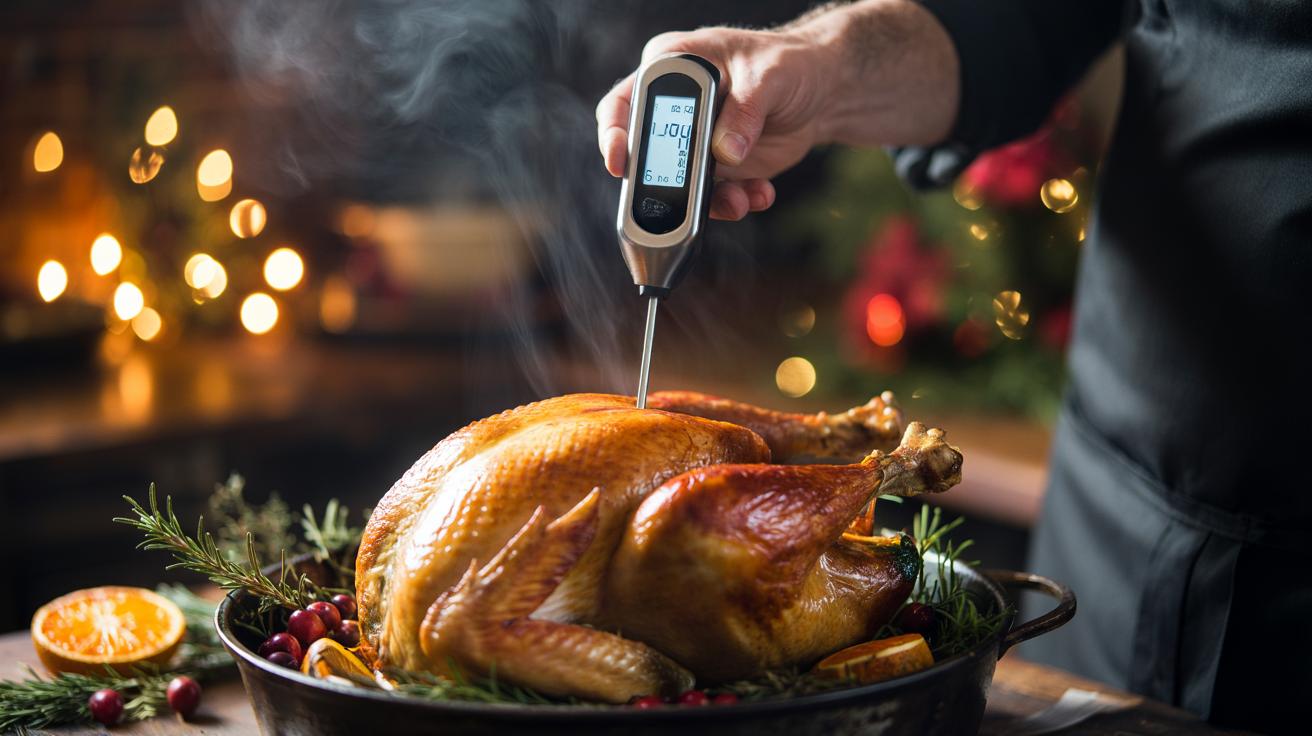
Every December, British kitchens turn into bustling command centres, simmering with gravy, bristling with roasting tins, and crowded with curious helpers. Amid the gadgets people unwrap or dust off, experts point to a single, deceptively simple tool that changes everything: the instant‑read digital thermometer. It’s compact, inexpensive, and stubbornly practical. When the stakes are high and timing is tight, this device eliminates guesswork. From turkey crowns to vegan nut roasts, custards to toffee, the right temperature means flavour, safety, and less waste. Here’s why test kitchens, food scientists, and seasoned chefs say this small probe deserves a permanent spot by your cooker this holiday season.
The Case for the Instant-Read Thermometer
The holiday table is a balancing act: multiple dishes racing to finish at once, a busy oven door, and nerves that don’t need extra heat. The instant‑read thermometer delivers certainty on demand. It doesn’t rely on colour, texture, or lore. It reads the core temperature quickly, giving you objective, actionable feedback. Accuracy beats intuition when the margin between succulent and dry is a few degrees. Whether you’re tracking a rib roast or a plant-based centrepiece, precise numbers stop overcooking before it starts, keeping juices where they belong.
Speed matters as much as precision. Modern probes reach a stable reading in seconds, so you spend less time with the oven open and more time maintaining steady heat for everything else. That consistency compounds. Less heat loss, better timing, calmer cooks. You also gain repeatability. Hit the same temperature, enjoy the same result next year. Tradition, but reproducible.
There’s a safety dividend, too. Holiday spreads mingle meats, desserts, and leftovers. A thermometer helps you serve food at temperatures that are both delicious and safe, and it makes cooling and reheating less of a guessing game. Confidence on doneness frees you to host, not hover. In short: clarity, control, and fewer “is it done?” debates around the oven.
How It Transforms Classic Holiday Dishes
The headline act is obvious: roasts. Turkey breast dries fast; legs take longer. A quick probe in the thickest part of each lets you rest one portion while bringing the other gently to target. Beef joints? Choose your finish—rare to well—and verify it, rather than gambling on minutes per kilo. A single number can preserve tenderness that hours of marinating can’t replace. The payoff extends beyond meat: salmon en croûte, nut loafs, and veggie Wellingtons all benefit from temperature‑led cooking.
Then come sauces and sweets. Gravy turns glossy and rich when thickened at the right point, not before. Custard, crème anglaise, and egg‑based puddings split if overheated; a thermometer guides you to the sweet spot. Sugar work is even more unforgiving: thread, soft ball, hard crack—these are temperatures, not vibes. Chocolate tempering relies on tight temperature windows for shine and snap. With a probe, you hit them calmly.
Frying? The difference between crisp latkes and greasy disappointments is oil at a stable heat. Mulled wine, hot chocolate, and butter‑based sauces also benefit from measured warmth, not wild swings. Measured heat preserves aromatics and texture. Across the board, you waste less, salvage more, and serve food at its peak. That efficiency matters when guests arrive staggered, plates rotate, and the hob is fully booked.
What to Look For When Buying
Start with accuracy (±0.5°C or better) and speed (readings in 2–3 seconds). A thin‑tip probe pierces without tearing and is gentle on pastries and fish. Look for a bright, backlit display with auto‑rotation so you can read at awkward angles, a hold function to lock readings, and a wide range for caramel and frying. Water resistance (an IP rating) helps in messy kitchens, while a calibration option extends lifespan. Good tools last longer, waste less, and pay you back in reliable results.
Ergonomics count. A folding probe slips into an apron pocket, magnets stick it to the fridge, and a secure sheath keeps drawers safe. Rechargeable batteries are tidy; replaceables can be handy during travel. Consider warranty length, response time, and whether you can replace the probe. For clarity, here’s a snapshot of features that matter and why they shine during peak cooking season.
| Feature | Why It Matters | Holiday Benefit |
|---|---|---|
| Fast Response (2–3s) | Less time with oven open; quicker decisions | Hotter oven, juicier roasts, tighter timing |
| Accuracy ±0.5°C | Reliable readings batch after batch | Repeatable results for family favourites |
| Thin Probe Tip | Minimal damage to delicate foods | Neater slices, fewer leaks |
| Backlit, Rotating Display | Easy to read at any angle | Faster checks on a crowded hob |
| Water Resistance (IP Rating) | Survives splashes and steam | Longer life in busy kitchens |
Want targets? Use Celsius, trust your recipe, and cross‑check authoritative guidance for safety. Typical cues: poultry to safe doneness in the thickest part (avoid bone), beef to your chosen finish, oil steady for frying, custards below curdling, and chocolates in tight tempering bands. Let the numbers lead, and your palate will follow.
Holiday cooking rewards organisation, but it absolutely loves precision. The instant‑read thermometer brings calm to chaos, protects expensive ingredients, and turns variable ovens and varied appetites into a coordinated service. It is small yet powerful, inexpensive yet transformative. Master your numbers and you master the feast. Whether you’re hosting a crowd or plating intimate portions, this pocket‑sized tool earns its space every time. Will you make temperature your secret weapon this season—and if so, which dish will you measure first?
Did you like it?4.5/5 (22)