In a nutshell
- 🥤 Kombucha earns buzz for “instant detox,” but the real work is done by your liver and kidneys; the drink may support the gut microbiome with organic acids and polyphenols rather than deliver a dramatic purge.
- 🧪 Fermented by a SCOBY, kombucha contains acetic and gluconic acids, tea antioxidants, and variable microbes; evidence suggests modest benefits for digestion, inflammation, and blood sugar, but outcomes depend on product quality.
- 🧐 Benefits vs myths: realistic gains come from hydration, fewer sugary sodas, and microbiome support; bold claims of overnight cleansing are exaggerated—think cumulative lifestyle shifts, not miracle fixes.
- 🛒 How to choose and brew: pick low-sugar, raw, unfiltered bottles; home brewers should prioritise hygiene, glass jars, and safe fermentation; typical servings of 150–250 ml help avoid reflux or overconsumption.
- ⚠️ Safety first: be cautious if immunocompromised, pregnant, or sensitive to FODMAPs/histamine; note caffeine and trace alcohol; practise label literacy and listen to your body—ally, not saviour.
Across wellness feeds and kitchen counters in Britain, a lively, tangy fizz has become the drink of the moment. The fermented tea known as kombucha is being praised by health gurus for “instant detox,” energising clarity, even glowing skin. Some of that hype is marketing gloss. Some, however, reflects plausible biology. Kombucha’s living cultures and organic acids interact with the gut microbiome, which in turn can influence inflammation, metabolism, and mood. Still, a sober truth applies: your liver and kidneys do the detoxing, not a bottle of tea. What kombucha can offer is a gentle nudge—supportive inputs that help your body do its job a little more smoothly.
The Science Behind Kombucha’s Detox Buzz
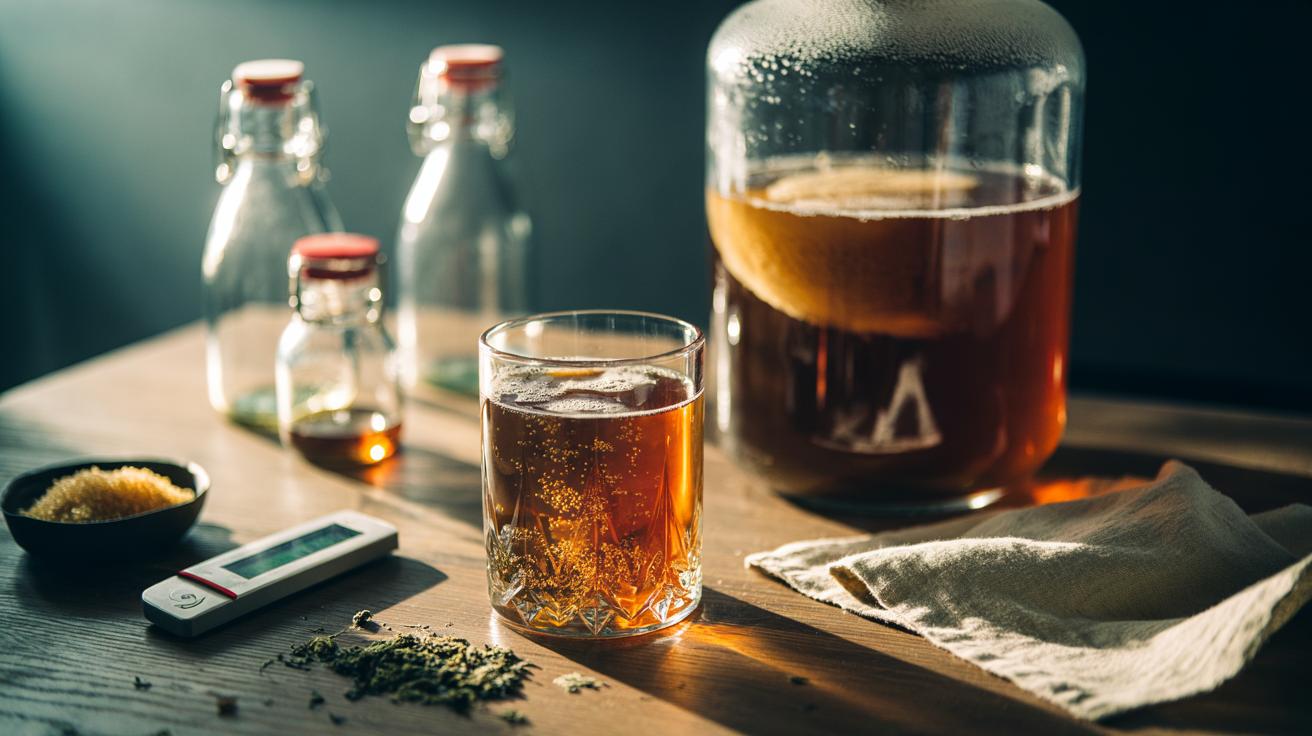
Kombucha begins as sweetened tea, then ferments with a rubbery pellicle called a SCOBY (symbiotic culture of bacteria and yeast). During fermentation, microbes consume sugars and produce organic acids, trace gases, and a web of bioactive compounds. Tea polyphenols remain central; fermentation can even make some of them more bioavailable. The resulting brew, lightly sour and lightly sweet, carries acids like acetic and gluconic, small amounts of B vitamins, and living microbes often touted as probiotics—though the exact strains and counts vary wildly by brand and batch.
So where does “detox” come in? Kombucha’s acids may slow the growth of certain harmful microbes in the gut, while tea antioxidants dampen oxidative stress. When your microbiome is more balanced, the intestinal barrier can function better, and that means fewer unwanted by-products drifting into circulation to burden the liver. It’s not a chemical scrub. It’s a systems effect: better inputs, cleaner outputs. Think moderation and consistency, not dramatic, overnight purges.
Small human studies suggest kombucha may modestly affect blood sugar responses and markers tied to inflammation. Animal and in vitro research hint at liver-supportive properties, yet much remains preliminary. A key caveat: not all kombuchas are equal. Sugar level, fermentation time, storage temperature, and microbial profile can turn one bottle into a helpful tonic and another into a glorified fizzy drink. Label literacy matters here.
What Health Gurus Get Right—and What They Don’t
The best claims focus on gut health, gentle support for the body’s own processes, and replacing ultra-sweet sodas with a livelier, lower-sugar option. The worst promise a magical purge, as if a single glass could rinse your insides like a car wash. A realistic stance recognises that hydration, polyphenols, and a nudge to the microbiome can collectively contribute to feeling clearer and less sluggish. But the word “detox” is often misused. No drink can shortcut biology’s housekeeping; it can only support it.
| Claim | What’s Likely Happening | Evidence Snapshot |
|---|---|---|
| Instant detox | Improved gut balance and hydration may help you feel lighter. | Indirect support only; liver does the detox. |
| Better digestion | Acids and microbes can shift the microbiome milieu. | Emerging human data; varies by product. |
| More energy | Tea caffeine, B vitamins, and stabilised glucose intake. | Plausible; not a universal effect. |
| Weight support | Swapping from sugary sodas reduces calories and spikes. | Behavioural benefit rather than a metabolic “hack”. |
| Skin clarity | Less sugar, fewer inflammatory swings may reflect in skin. | Anecdotal with limited trials. |
Note the pattern: benefits tend to flow from cumulative lifestyle shifts—less refined sugar, more polyphenols, modest acids, better hydration—rather than a single miraculous property. If your kombucha is loaded with added fruit syrups, any potential upside can vanish. And while the drink can be gently supportive, it isn’t a substitute for sleep, fibre-rich meals, or a brisk walk that wakes the lymphatic system. Think of kombucha as an ally, not a saviour.
How to Choose, Brew, and Drink It Safely
Start simple. If you’re buying, seek bottles with modest sugar per serving, live cultures, and no dubious sweeteners. Check for words like “raw,” “unfiltered,” and a short ingredient list. If caffeine affects you, note that kombucha begins with tea; levels vary but can be meaningful. Alcohol content is usually trace in commercial options, yet home brews can creep higher if fermentation runs long. If it smells odd, tastes harshly solvent-like, or looks mouldy, don’t drink it.
Home brewers should prioritise hygiene: sterilise equipment, use glass jars, keep a breathable but secure cover, and monitor temperature. Fresh, strong tea and plain sugar feed your SCOBY best; honey or alternative sweeteners can impede fermentation or invite contaminants. Aim for a clean tartness without throat burn. Bottle with care to avoid over-carbonation and exploding glass. For most people, 150–250 ml is a reasonable serving, particularly at first. Sip with food if you’re prone to reflux or sensitive to acids.
Some should be cautious: those with compromised immunity, pregnant individuals, or anyone with a history of FODMAP or histamine intolerance. If you take medications that interact with alcohol or caffeine, read labels closely. Listen to your body—lighter, steadier energy is a good sign; discomfort means pull back. Partner kombucha with fibre-rich vegetables, adequate protein, and regular movement, and you’re stacking the deck in favour of sustained, not “instant,” clarity.
In the end, the detox story is less about a miracle and more about nudging your daily environment in the body’s favour. A well-made kombucha offers acids, antioxidants, and microbial diversity that can make a subtle, real difference—especially when it replaces sugary soft drinks. Small, repeatable wins beat dramatic one-offs. The question isn’t whether this fermented drink will transform your life overnight, but whether it can join a pattern of choices that leaves you clearer, lighter, and more resilient. What flavour, brew method, or brand will you put to the test next, and how will you measure the difference?
Did you like it?4.4/5 (23)